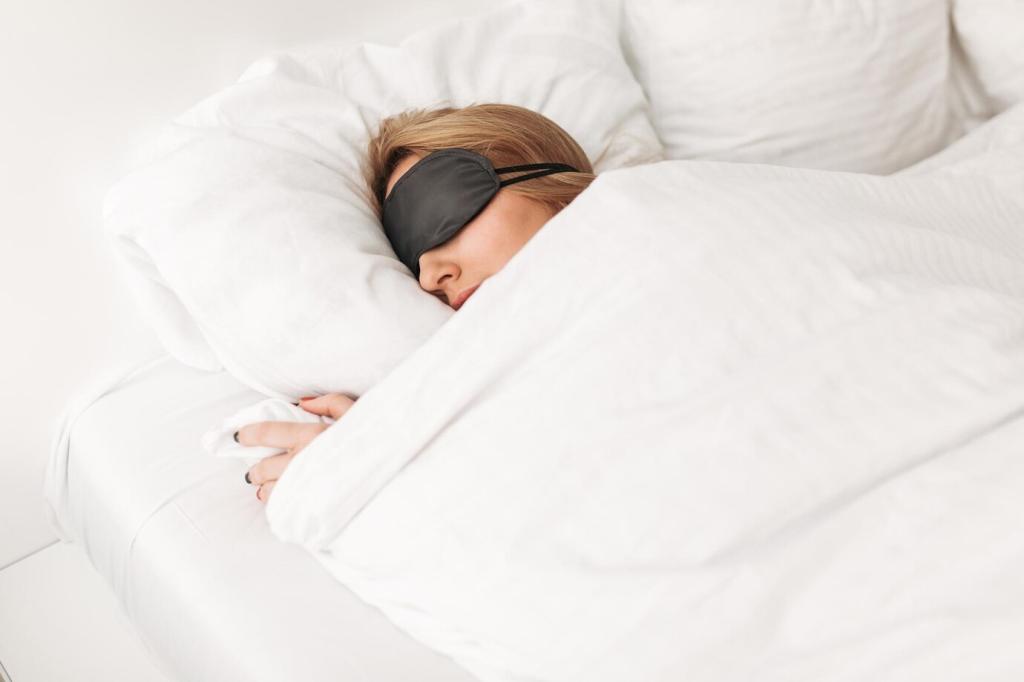

Choosing the Right Minimal Mattress: Sleep, Simplified

Today’s theme: Choosing the Right Minimal Mattress. Welcome to a calm, clutter-free approach to rest—where thoughtful materials, honest firmness, and purposeful design help you sleep better with less. Subscribe and join our growing minimalist sleep community.

What Minimal Really Means

A minimal mattress emphasizes fewer layers, simple construction, and reliable support. Instead of chasing trends, it focuses on breathable covers, honest firmness, and materials that age well. Comment with your definition of minimal and how you simplify sleep.

Materials and Construction That Matter

Natural latex offers buoyant support and excellent airflow; high-density foam provides steady contouring in a slim profile. Consider certifications and ILD or density numbers to compare. Ask in the comments for tailored guidance based on your body and sleep style.

Materials and Construction That Matter

Organic cotton and wool regulate temperature and wick moisture, helping thin builds feel comfortable across seasons. Minimal stitching and removable covers simplify care. Subscribe for our upcoming guide on fabric weaves and how they influence nightly airflow.


Firmness, Alignment, and Real-World Comfort

Back sleepers often prefer medium-firm for neutral curves; side sleepers need enough give at shoulders; stomach sleepers require extra support to prevent sag. Tell us your sleep style, height, and weight to pinpoint a suitable minimal firmness.

Firmness, Alignment, and Real-World Comfort

Lie still for two minutes, then roll to your other side and check shoulder pressure. Slide a hand under your lower back; it should neither float nor jam. Share your impressions to crowdsource fine-tuning with our readers.

Firmness, Alignment, and Real-World Comfort

Minimalists can still refine feel using thin wool pads or latex toppers to add breathability or ease pressure. Keep adjustments reversible. Comment with areas of discomfort, and we’ll suggest targeted tweaks without adding clutter.

Allergies, Off-Gassing, and Certifications

Look for certifications like GOTS for organic textiles, GOLS for organic latex, and CertiPUR-US for foam safety. They are not perfect, but they raise the baseline. Ask questions in the comments about any label you find confusing.

Allergies, Off-Gassing, and Certifications

Unbox in a ventilated room, remove plastic promptly, and allow a day to breathe. Natural materials typically settle faster. Share your first-night experience so others can calibrate expectations and reduce new-product worries.

Where Your Money Works Hardest

Invest in core density, latex purity, and a breathable cover. Skip flashy quilting that hides weak foam. Comment with your budget and priorities, and we will outline a simple hierarchy for smart trade-offs.

Warranties Without the Fine-Print Headache

Check indentation thresholds, foundation requirements, and trial windows. Minimal profiles sometimes have specific slat spacing rules. Share warranty lines you do not understand, and we will translate them into plain language.

Buying Online or In-Store With Confidence

Test for shoulder pressure, lumbar support, and temperature after five minutes. Inspect stitching and cover feel. Ask about slat spacing requirements. Post your notes, and we will help interpret sensations into actionable specs.

Buying Online or In-Store With Confidence

Open on the bed frame, let it expand fully, and log initial impressions. Photograph slats and setup for warranty peace of mind. Subscribe for our printable setup guide and a gentle seven-day comfort diary.
Thewanderinwoman
Privacy Overview

This website uses cookies so that we can provide you with the best user experience possible. Cookie information is stored in your browser and performs functions such as recognising you when you return to our website and helping our team to understand which sections of the website you find most interesting and useful.